How to Teach a Kid to Shoot a Basketball (Step by Step)
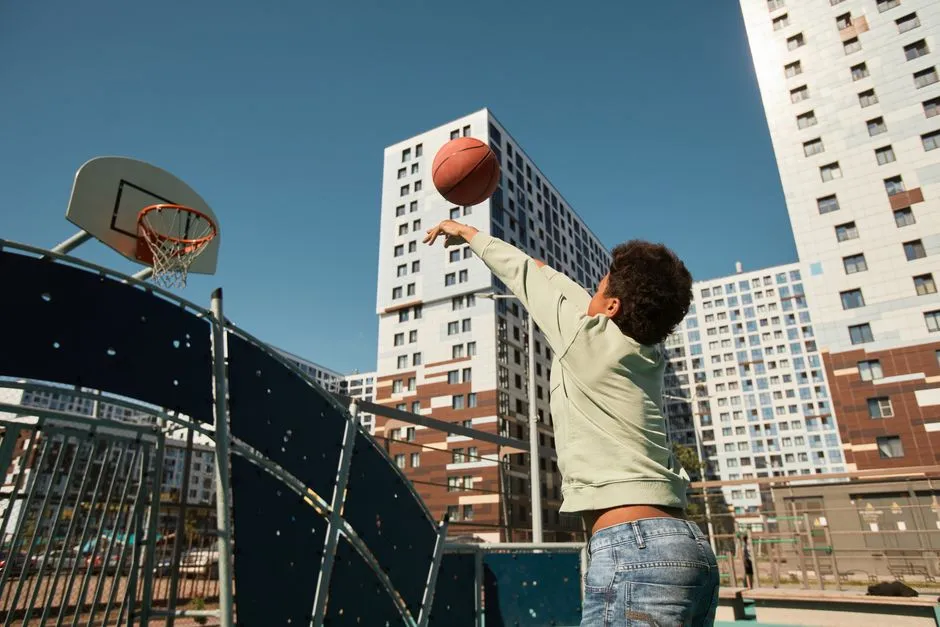
How to Teach a Kid to Shoot a Basketball
Teaching a kid to shoot comes down to three things: the right-sized ball on a lowered hoop, one simple form cue at a time, and lots of makes from close range. Start a few feet from the basket, build the shot from the feet up — balance, elbow under the ball, follow-through — and only move back when the child can score comfortably without heaving. Small doses, big encouragement, and games instead of lectures will do the rest.
That's the whole method. Here's how to run it, step by step.
Step 1: Fix the Equipment Before the Form
Most "bad shooting form" in young kids isn't a form problem — it's a strength problem. A child hurling a regulation ball at a 10-foot rim has to shot-put it. No cue fixes that; the right setup does.
| Age | Ball size | Hoop height |
|---|---|---|
| 5–8 | Size 4 (25.5") | 8 ft |
| 9–11 | Size 5 (27.5") | 9 ft |
| 12+ | Size 6 (girls) / Size 7 (boys) | 10 ft |
These are widely used youth guidelines, not laws. The real test: if the child can't reach the rim with a normal shooting motion from 6–8 feet away, lower the hoop or shrink the ball until they can.
Step 2: Build the Stance and Grip
Keep it simple and physical — show, don't explain.
- Feet: shoulder-width, knees bent, shooting-side foot slightly ahead. Say "sit in a chair."
- Grip: shooting hand spread under the ball, fingertips on the ball with a little daylight under the palm. The other hand rests on the side like a bookend — it's a guide hand, not a second shooter.
- Ball position: in front of the shooting-side shoulder, not centered on the face.
One honest note for coaches of 5- and 6-year-olds: many will shoot with two hands, and that's fine for now. Strength comes first; one-handed release usually sorts itself out around ages 7–9 when you keep rewarding the close-range work.
Step 3: Teach the Shot With the BEEF Cues
BEEF is the classic youth-coaching acronym because it gives you exactly one word to say per rep:
- B — Balance: knees bent, feet set before the shot starts.
- E — Eyes: pick a target (front of the rim or the back of it — just be consistent).
- E — Elbow: under the ball, pointing at the rim, not winging out sideways.
- F — Follow-through: snap the wrist and hold it — "reach into the cookie jar" or "wave goodbye to the ball."
Pick one letter per session. A kid processing four cues at once processes none of them. If the elbow is the problem this week, every piece of feedback is about the elbow, and everything else gets a cheerful "good!"
Step 4: Start Close and Earn Your Way Back
This is the progression that builds a real shot:
- Form shooting, one step from the hoop. No jump, just legs-to-fingertips rhythm. Aim for easy, soft makes.
- Around the block. Five spots in a small arc, 3–5 feet out. Make two at each spot before moving.
- Free-throw-line-ish range — whatever distance still allows clean form. The moment the heave returns, step back in.
- Add movement: catch-and-shoot from a soft pass, then a dribble into the shot.
The rule that governs everything: distance is earned by form, not by age. A child who makes 7 of 10 with good mechanics from one spot is ready to move back a step. A child who's arching wildly from deep is practicing a shot they'll have to unlearn.
Step 5: Make It a Game, Not a Lesson
Ten focused minutes beat forty grinding ones, and short attention spans are a design constraint, not a character flaw. Turn reps into games: beat-your-record ("how many makes in 2 minutes?"), Around the World on a short arc, or a parent-vs-kid contest where the kid gets a head start. For more game-based ideas that keep the touches high and the lines short, our roundup of basketball drills for kids has ten of them sorted by age, and the Drills & Practice collection grows from there.
End every session on a make. Always. The last shot is the one they remember in the car.
Common Mistakes Parents Make
- Coaching every rep. One cue per session; let most shots go by with nothing but encouragement.
- Chasing the three-point line. Deep shots on weak legs build a permanent heave.
- Rebuilding a 6-year-old's form. At that age, made baskets and love of the game matter more than mechanics.
- Practicing too long. Stop while it's still fun and they'll ask to go again tomorrow.
Patience is the actual skill here. The kid who loves shooting will take ten thousand more practice shots than the kid who was drilled into dreading it — and volume, at the right distance, is what builds shooters.